

In history, we have read that Iranians embraced Islam at the hands of a faction of the Muslim army, and experienced Islam under a government that officially cursed and vilified Ali ibn Abi Talib on pulpits and in official assemblies, portraying him as an anti-hero in the narrative of Islamic history. Despite this image-making by the official media of the Umayyads, Iranians became enamored with Ali (as) and his creed, his school of thought, and the version of Islam that Ali narrated for history. Astonishingly, Ali (as) – as the ruler of the Islamic society – was assassinated by his opponents at a time when no official funeral procession was held for him, and his burial place remained concealed until the second half of the second century AH. Today, Najaf Ashraf, the burial site of the first Shi’a Imam, is a center of attention and pilgrimage for a large number of his followers, especially Iranians.
The story of the funeral processions of the great figures and Imams of Shi’ism throughout history is full of such contradictions, ups, and downs. The second Imam of the Shi’a, Hasan ibn Ali (as) – while being the elder grandson of the Prophet – was not permitted to be buried in the Prophet’s Mosque, and his funeral procession was attacked by the ruling government of the time, with arrows shot at his coffin.
The second grandson of the Prophet, Imam Hussein (as), was essentially killed by the ruling government along with his companions and family. Contrary to Muslim tradition, his body and those of his companions were left in the desert without any funeral or burial ceremony, and were buried several days later by a group of residents from surrounding villages.
Pressures and political disagreements continued against the Shi’a Imams until the mid-third century AH. However, despite the media dominance of the Abbasids and their character assassination of the Shi’a Imams, the funeral of Imam Hadi (as) – who lived under house arrest and under the watch of the ruling government – was met with such a massive crowd that the entire city of Samarra was filled with people.
Now, nearly thirteen centuries after that event, the Iranian Shi’a community – which once, against the clamor of the imperial propaganda machines of the time, chose Ali ibn Abi Talib and his school and creed – is on the verge of the funeral of one of its greatest leaders. A leader whose character has for years been assassinated and vilified by the existing media empires of the world, and who was ultimately assassinated, along with his family, by order of the President of the United States of America.
In my belief, despite all the slander, insults, defamation, and various media attacks by destructive mainstream media outlets, the Iranian society recognizes the voice of Seyyed Ali Khamenei as that of a free-spirited man, an enemy of the world’s tyrants and arrogant powers, who dedicated his life to a sacred struggle against one of history’s greatest machines of massacre, terror, and colonialism, and ultimately sacrificed his own life and that of his family along this path.
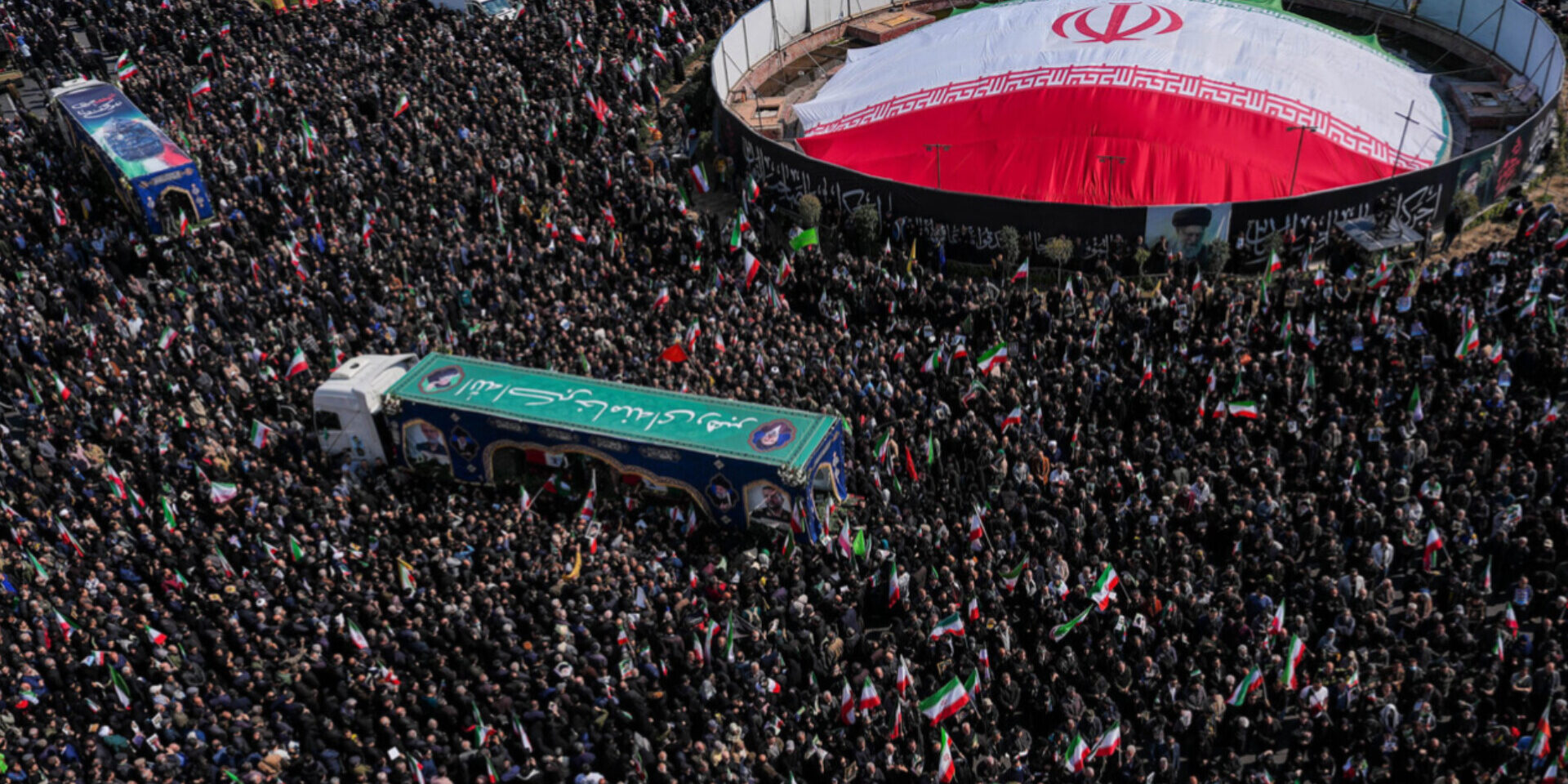
The body of the martyr Seyyed Ali Khamenei will, in a few days, be carried on the hands of youths, men, and women in the streets of Tehran, Qom, and Mashhad – people who were born and raised in the age of social media, the internet, satellites, and the vast Zionist-American propaganda networks, but precisely contrary to the wishes and will of the world’s exploiting masters, they admire a religious and political figure who was vilified and insulted by those very media for a lifetime.
Today, as we trace the history of funerary rites in Shi‘ism, we shall once again witness that the voice of truth—however drowned out by the noise of mainstream media—finds its way into the hearts and minds of those who seek justice. The funeral of Seyed ‘Ali Khamenei effectively invalidates all presumptions that the Vali-ye Faqih and the Islamic Republic lack popular resonance among their own society.”