

“In the name of Seyyed Ali, may this eternal path endure.”
The funeral of the leader of the Islamic Republic of Iran is not merely the farewell of a political figure; it is the farewell to an ideology that, for more than three decades, shaped the equations of Iran and influenced a significant part of regional and global developments.
In the eyes of his supporters, Ayatollah Khamenei was not merely a jurist or a politician; he was the continuer, expander, and institutionalizer of a school of governance whose architect was Imam Khomeini, rooted in the teachings of the prophets, the school of the Ahl al-Bayt, and the culture of Ashura. He sought to establish a connection between religion, rationality, political independence, scientific progress, and national authority. From their perspective, his understanding of religion was not confined to individual rulings, but rather saw religion as a framework for governing society, justice, religious democracy, and resistance against domination.
In the political arena, his years of managing internal and external crises, extensive sanctions, security threats, and complex regional developments shaped a figure whose decisive role in the equations of the Islamic Republic is acknowledged even by many critics. His supporters believe that his political doctrine was founded on three principles: “independence,” “dignity,” and “expediency,” and it was this perspective that shaped the foreign policy of the Islamic Republic in recent decades.
In the international arena, he did not view the world merely through the lens of great powers; rather, he emphasized the emergence of a new world order, the role of Asian powers, and the multipolarization of the international system. In the view of his supporters, many of the analyses he put forward years ago regarding the shifting balance of global power are now more relevant than ever before.
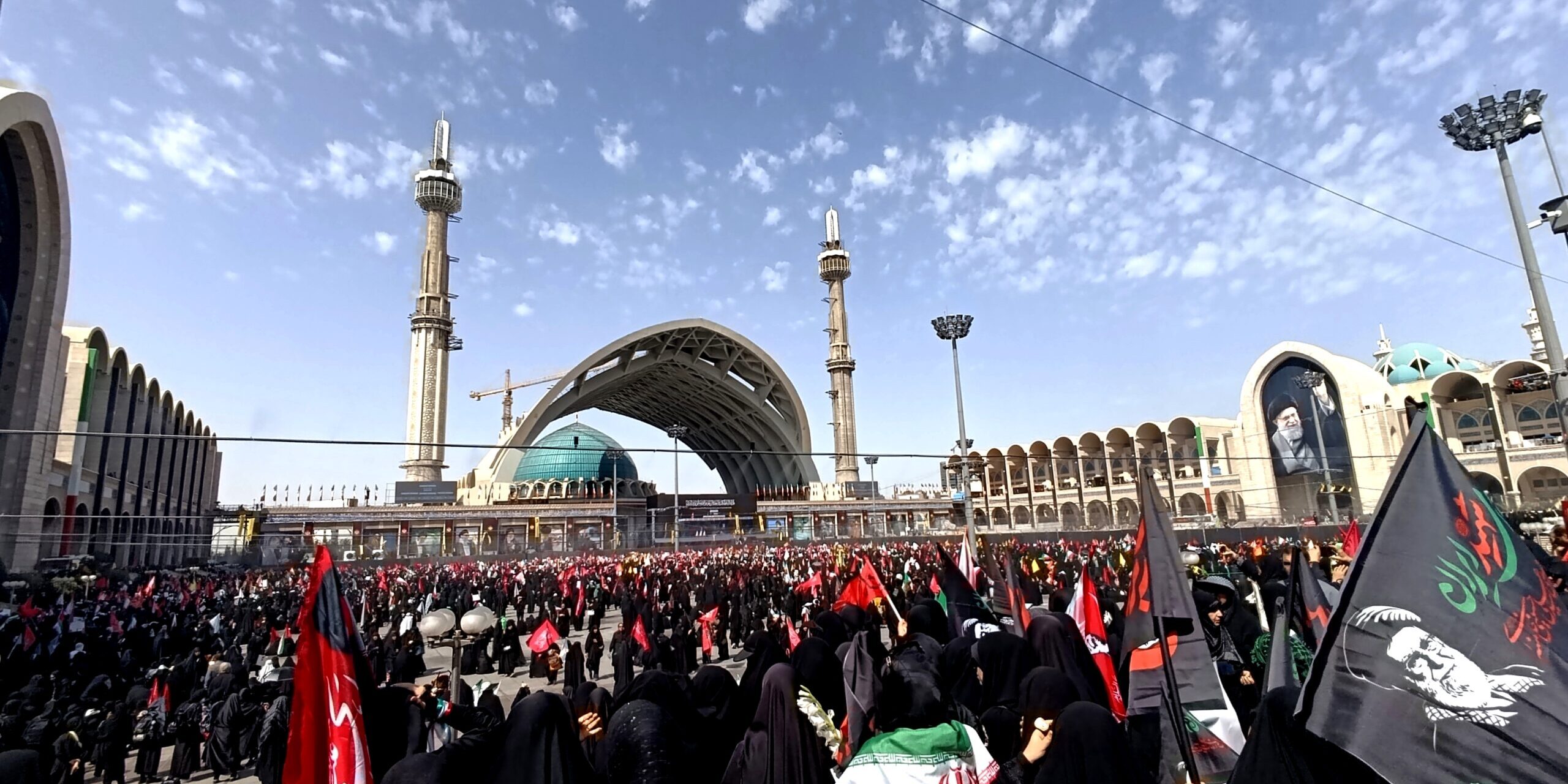
Perhaps his most significant legacy was the nurturing of a generation that did not view politics merely as a competition for power, but as a field for defending the identity, independence, and ideals of a nation. For this reason, his funeral is not merely the farewell ceremony of a leader; it is the gathering of those who consider themselves heirs to an ideology and a path.
The presence of millions in this historic farewell, and what will be displayed there, will not merely be mourning for a man; it will be a tribute to a school of thought that, in the belief of its supporters, does not end with the passing of its founders and leaders, but rather continues in thought, culture, and future generations.