

One of the most significant strategic miscalculations made by Western powers, particularly the United States, in their engagement with the Islamic Republic of Iran has been their persistent failure to comprehend the institutionalized and popular nature of this political system. This perceptual gap has led to repeated strategic errors, most notably the assumption that the elimination of Ayatollah Seyyed Ali Khamenei would result in the collapse of the entire system.
Western powers have never truly understood what the Islamic Republic of Iran actually is and why the Iranian people support it. This fundamental misunderstanding has led them to believe that assassinating Ayatollah Khamenei would bring everything down. The reality, however, is that the system is not entirely dependent on the leader. While Ayatollah Khamenei undoubtedly exercised great influence, the structure itself is not completely tied to one person. If the leader is martyred, someone else perhaps even better will take his place, just as was witnessed after the passing of Imam Khomeini. The historical precedent of a peaceful and orderly transition of leadership demonstrates that the system possesses an institutional framework designed for its own continuity and adaptation beyond the presence of any single individual.
This institutional resilience is further reinforced by a profound cultural and religious concept that Western strategists have consistently failed to grasp: the significance of martyrdom within Shia tradition. Muslims believe that if you follow the right path, you either achieve victory or you are martyred, and martyrdom is also a form of victory. Ayatollah Khamenei remained at his home and workplace and was martyred along with his family, demonstrating that in the face of danger he stood firm and refused to surrender or flee. The martyrdom of Ayatollah Khamenei is much more dangerous for Western powers than if he were alive, because martyrdom transforms the individual into an enduring symbol of resistance whose influence extends far beyond their physical presence.
This understanding of martyrdom as victory was deeply connected to a broader philosophy of resistance that Ayatollah Khamenei championed throughout his leadership. The idea of resistance, regardless of religion, is rooted in human nature. Healthy, normal people instinctively oppose oppression. If they see the truth, they will naturally stand on the right side of history. In his letters to the youth of Europe and America, and in his statement for the Second Phase of the Islamic Revolution, he invited people to read the Quran carefully and understand its message. He believed that if people understood the Quran, most problems would be solved because many issues faced by Muslims stem from misunderstanding and Islamophobia propagated by Western media.
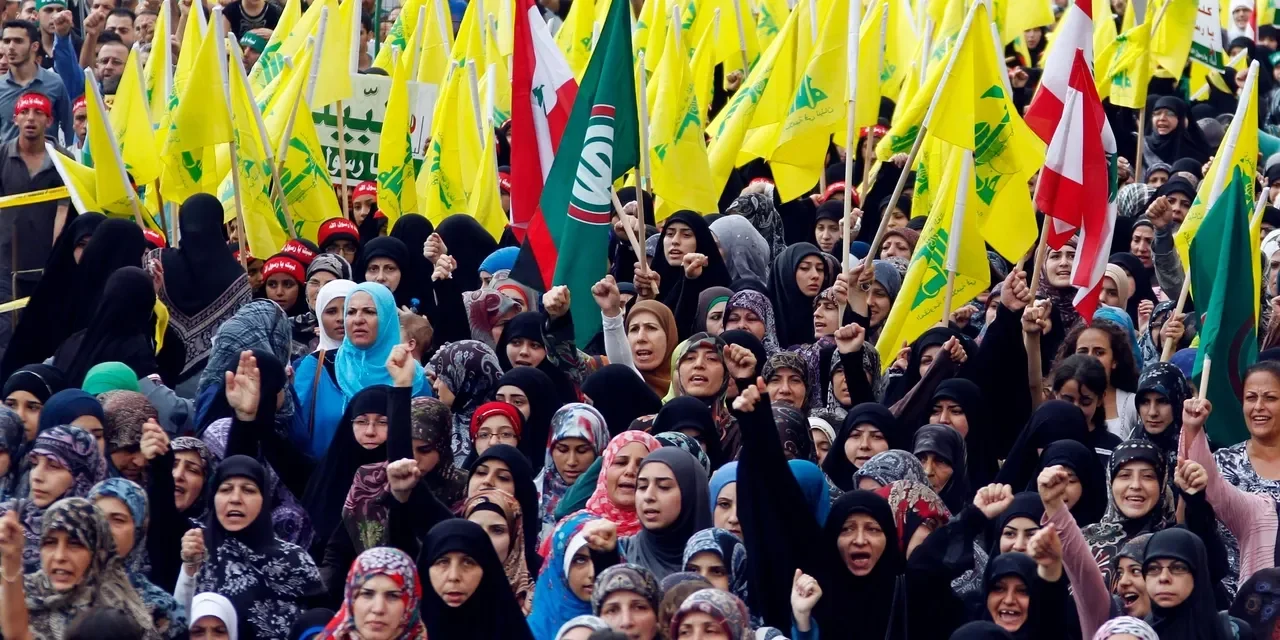
The enemy thought that by assassinating Ayatollah Khamenei they would solve their problem, but the complete opposite has proven to be true. After his martyrdom, many people around the world became aware and realized that he was right and that his path was correct. Even inside Iran, some people thought he would flee like other leaders such as Bashar al-Assad or surrender or be arrested like Maduro, but he chose instead to remain steadfast and was martyred alongside his family. There is a verse in the Quran that says they cannot extinguish the light of God by blowing with their mouths, and the martyrdom of Ayatollah Khamenei serves as a clear example of this divine promise. The funeral ceremony of great figures like Ayatollah Khamenei was not merely a religious ritual, but rather a declaration that the people would continue the path and uphold the flag that he carried. The massive gathering of people conveyed a powerful political message to the world.
Looking toward the future, the system demonstrates remarkable capacity for renewal and reform. A young leader who fully believes in his predecessor’s values can work proficiently for the next fifty years of the Islamic Revolution, building upon the existing institutional framework while implementing necessary reforms. The enemy miscalculated by assuming that assassinating Ayatollah Khamenei would solve their problem, but they completely failed to recognize the profound consequences of his martyrdom. The martyrdom of Ayatollah Khamenei represents the best possible ending for him and the beginning of a new phase of awareness and action. The flag of resistance, now held by a new generation, stands as proof that his ideas remain alive and his path continues, and this is something that Western powers have utterly failed to comprehend.