


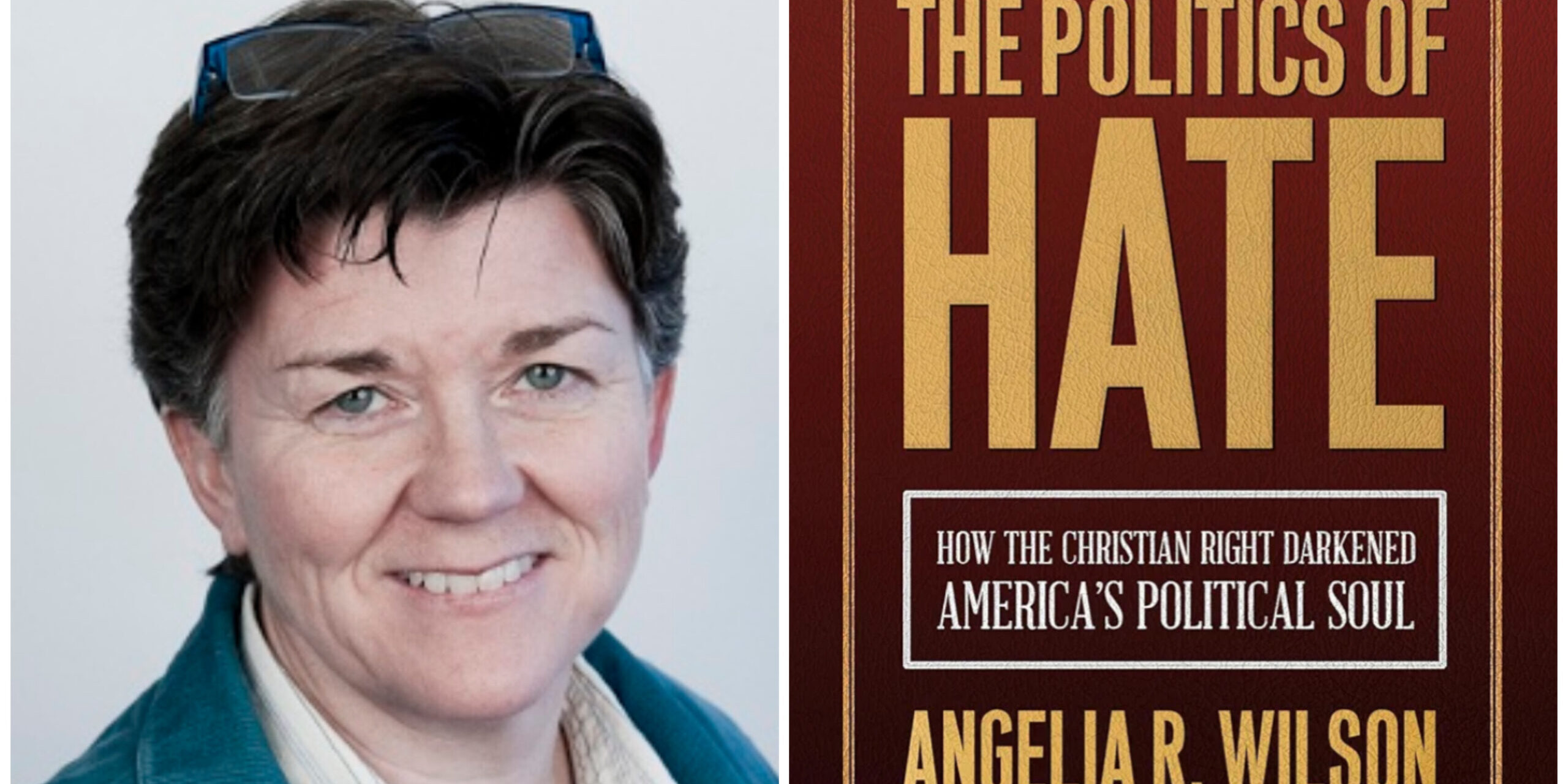
The book has shaped American political discourse by framing social and cultural conflicts through moral absolutes, fear‑based narratives, and identity‑driven mobilization. Wilson argues that this movement’s influence is not simply religious but deeply political, rooted in a long history of conservative activism that intensified in the late twentieth century and evolved into a powerful force in twenty‑first‑century partisan battles. She traces how certain leaders, organizations, and media ecosystems constructed a worldview in which social change—on issues such as gender, sexuality, education, and race—is portrayed as an existential threat to the nation’s moral fabric.
The book explores how this rhetoric functions: by defining “outsiders” or ideological opponents as dangerous, immoral, or corrupt, it creates a sense of crisis that encourages political engagement and loyalty. Wilson highlights how this style of communication has been amplified by modern media, especially digital platforms that reward outrage and simplify complex issues into emotionally charged binaries. She argues that this dynamic has contributed to polarization by encouraging supporters to see political compromise as moral surrender.
Wilson also examines the strategic use of policy campaigns—such as battles over school curricula, reproductive rights, and LGBTQ+ protections—as mechanisms for building political power. She contends that these campaigns often rely on narratives of cultural decline, which resonate strongly with communities experiencing economic or social uncertainty. The book situates these developments within broader global trends, noting that similar patterns appear in other democracies where religious or nationalist movements use moral panic to mobilize supporters.
While critical of the movement’s impact, Wilson’s central claim is analytical: she argues that the rise of fear‑based moral politics has reshaped American political culture by normalizing suspicion, resentment, and zero‑sum thinking. The result, she suggests, is a political environment where democratic norms—such as pluralism, compromise, and trust—are increasingly strained. The book concludes by urging readers to understand how emotional narratives, rather than policy debates alone, drive contemporary political behavior, and it calls for renewed attention to the cultural forces that shape democratic life.
Angelia Wilson, Professor of Politics, The University of Manchester