

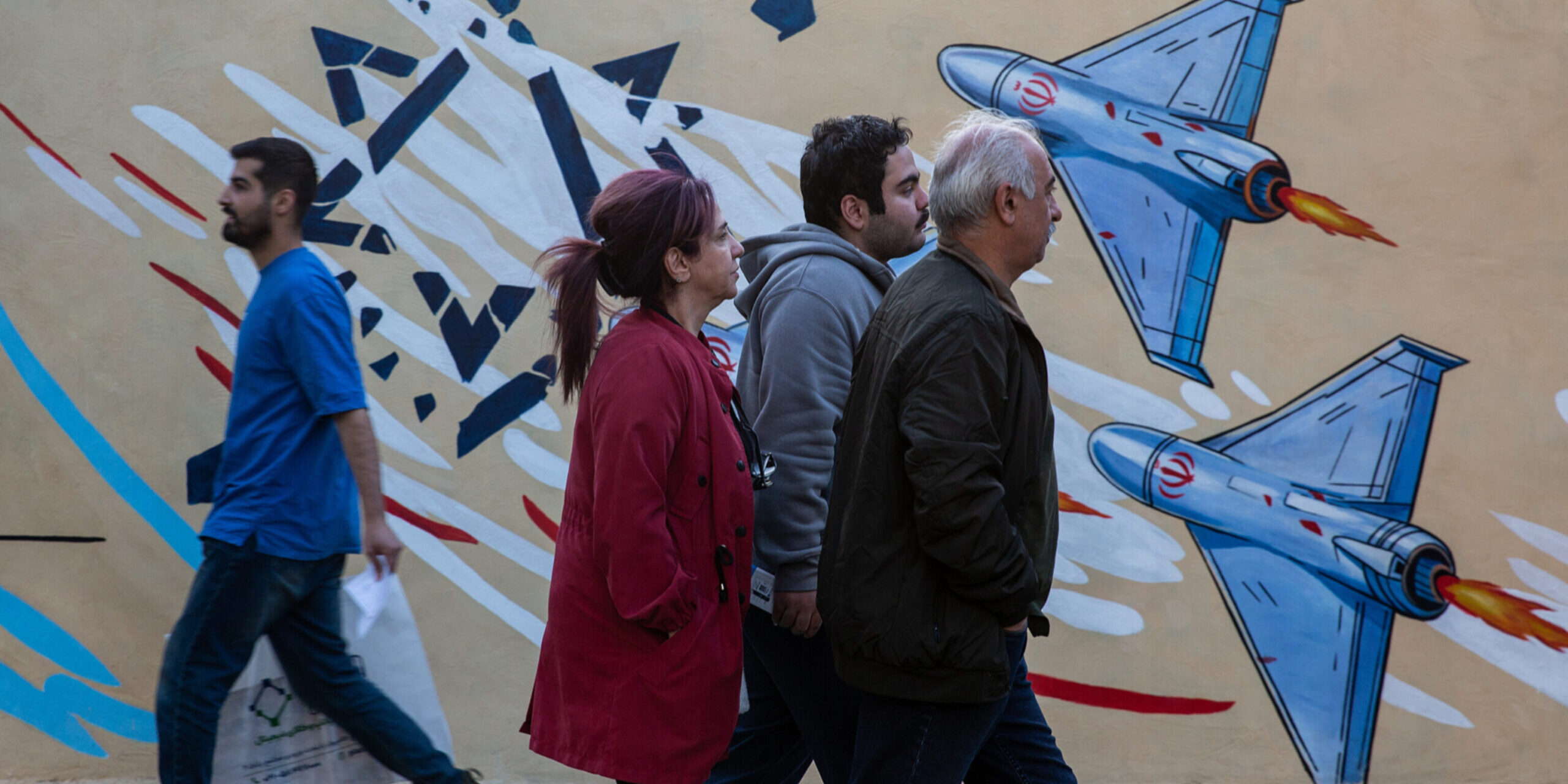
Introduction: Current negotiations between Iran and the United States suggest a “temporary pause” rather than a genuine scent of “peace.” Any agreement that fails to identify the aggressor, secure war reparations, establish fact-finding committees, and provide comprehensive sanctions relief is not a resolution; it is merely a rescheduling of the next conflict.
1. The Riddle of the New Order and Imposed Isolation
The Middle East is in the throes of a massive redefinition. From the ambitious developmental projects of Arab nations to the geopolitical blueprints of Washington and Tel Aviv, the rules of the game are shifting. Meanwhile, Iran stands at the precipice of isolation with limited bargaining chips. Settling for a mere end to field hostilities—without redefining the nation’s standing within the international system through the current negotiations—means surrendering the game to rivals who view “peace” not as an objective, but as a tool for Iran’s attrition.
2. Economic Fault Lines: The Mines Planted Within
Iran’s sanction-stricken economy lacks the resilience required for long-term reconstruction in an environment of “ambiguity.” When investors sense the shadow of a looming future war, capital flees. The result? Escalating unemployment and inflation act as sparks in the powder keg of social grievances, paving the way for foreign intervention or internal collapse. Iran requires a “meaningful economic settlement,” not a temporary sedative.
3. Playing Cards: To Liquidate or to Burn?
The strategy of maintaining “security assets” at any cost has now become counterproductive. Relinquishing enriched uranium without receiving definitive concessions amounts to voluntary disarmament, while retaining it without an agreement leads to an absolute dead end. Furthermore, the efficacy of levers such as the “Strait of Hormuz” is diminishing as competitors establish alternative routes. Logic dictates that these cards must be cashed in at the highest possible rate before they expire.
4. A Cautious East and Restless Neighbors
Without the permanent removal of sanctions, even the “Look to the East” policy remains a mirage. As a pragmatic partner, China will not invest in a country that lacks a clear horizon. Emerging from the current crisis is contingent upon a comprehensive package: the simultaneous resolution of tensions with neighbors and guaranteed international mechanisms for sanctions relief. Otherwise, the end of this war will only mark the beginning of an even more difficult chapter of instability.