

Abstract
The Ramadan War, as an international armed conflict between a coalition of the United States and the Israeli regime against the Islamic Republic of Iran, constitutes an unprecedented test for the post–World War II international legal order. This war is not only a clear violation of the peremptory norm prohibiting the use of force, but also, at a deeper level, a discursive turning point in determining the future of the international order: the continuation of the rule of law or a return to a force-based order and the “law of the jungle.”
This article first analyzes the Ramadan War within the framework of current international law and the peremptory rule prohibiting the use of force, and then outlines two main scenarios for the future of the global order. It further critiques the structural deficiencies of international law and the passivity of the Islamic Republic of Iran’s legal diplomacy, particularly in areas such as the imposed war, terrorism, sanctions, and developments in the Strait of Hormuz.
In the final section, it is argued that even a potential military victory by Iran, without the design of a legal framework and the active participation of the legal community in rewriting the rules of international law, cannot produce sustainable deterrence. The central argument of the article is that the Ramadan War represents both a threat to the collapse of the existing legal order and an opportunity to design a more just one—an order that will not emerge without active legal and discursive engagement by Iran and other advocates of justice.
Introduction
The Ramadan War and its associated developments—particularly in the strategic region of the Strait of Hormuz—represent one of the most significant tests of the contemporary international legal order. This war, understood as an international armed conflict between a coalition of the United States and the Israeli regime on one side and the Islamic Republic of Iran on the other, has occurred within a system that, after two world wars, was founded on replacing war with law.
Within this framework, the principle of the prohibition of the use of force acquired a
peremptory and non-derogable character, becoming a normative foundation of the international order. However, the experience of the Ramadan War has demonstrated that the gap between proclaimed norms and practical realities in international relations remains profound. Military aggression, threats of war, and extraterritorial coercive actions continue to occur without significant legal consequences for the aggressors.
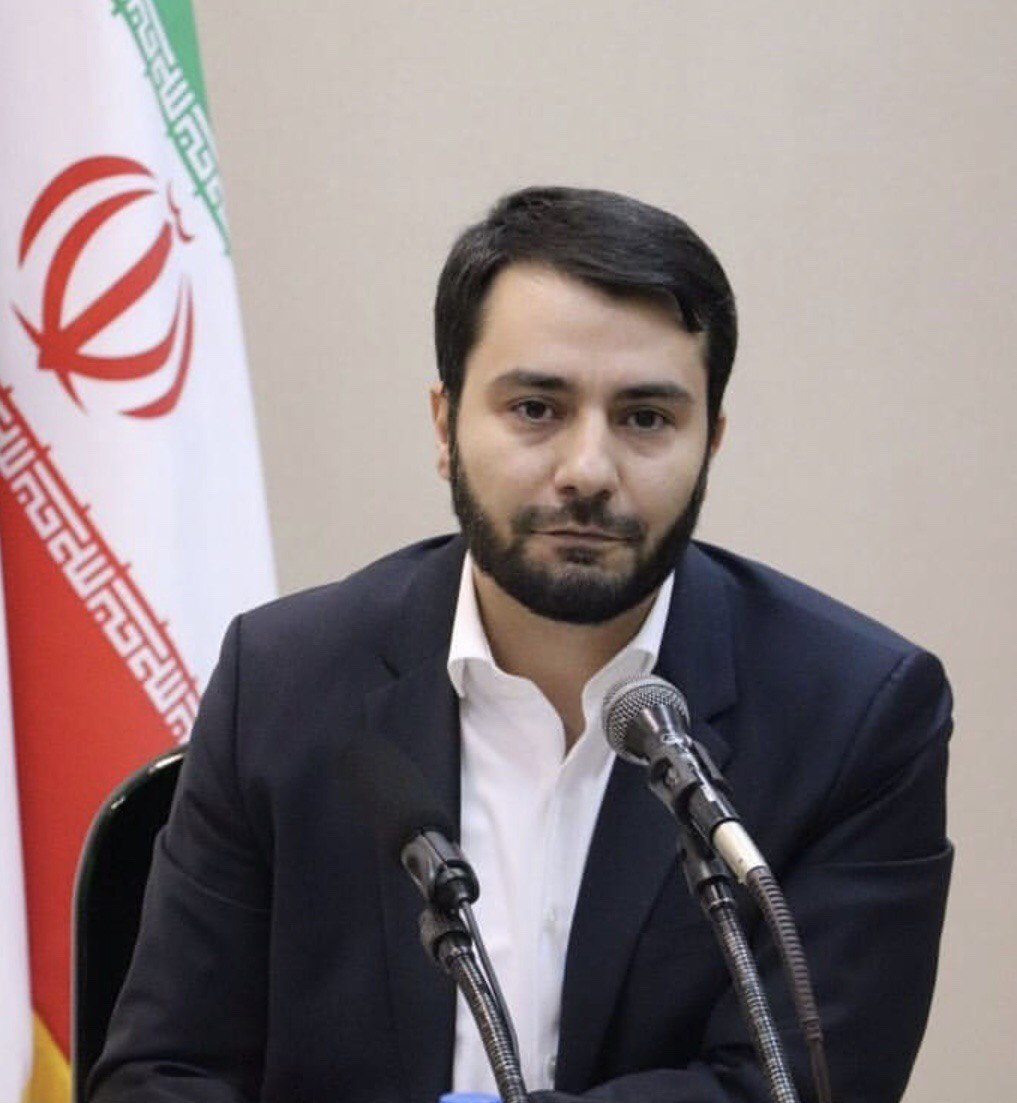
From the perspective of an international lawyer, the central question is whether the Ramadan War is merely another violation of existing rules, or a sign of a deeper crisis in the legal order that necessitates a rewriting of international law. Drawing on analyses presented in the academic session “The Necessity of Rewriting International Law in Light of the Ramadan War” by Dr. Mohammad-Hadi Zakerhossein, this article seeks to clarify the legal dimensions of the war and explain the need to rethink the structure and discourse of international law. Within this framework, the Strait of Hormuz and its surrounding developments assume a central role as a focal point for a new regional and global legal-security order.
1. The Ramadan War and the Principle of the Prohibition of the Use of Force
After World War II, the United Nations Charter enshrined the prohibition of the use of force in Article 2(4). This principle gradually attained the status of a jus cogens norm—a rule from which no derogation is permitted and which cannot be overridden by bilateral or multilateral agreements. States owe an obligation erga omnes to respect it.
The Ramadan War must be analyzed within this fundamental framework. The military attacks by the United States coalition and the Israeli regime against the Islamic Republic of Iran, in the absence of any authorization by the Security Council and without meeting the conditions for self-defense under Article 51 of the Charter, constitute a clear case of the unlawful use of force.
Attempts to justify this conflict on political, security, or even purported “humanitarian” grounds lack validity under international law. What matters legally is the act of using force itself, not the claimed motivations behind it.
Importantly, the limited exceptions to the prohibition—self-defense and Security Council authorization—are neither open to expansive interpretation nor applicable to situations that contradict the text and spirit of the Charter. The Ramadan War demonstrates how military powers, relying on political and media influence, attempt to stretch these exceptions and effectively hollow out the principle.
From this perspective, the war is not merely an isolated violation but a sign of a broader crisis in the effectiveness of enforcement mechanisms in international law vis-à-vis powerful states—a crisis that raises the question of the necessity of rewriting international law.
2. The Ramadan War as a Discursive Struggle over the Future of International Order
Analyzing the Ramadan War solely within the formal and substantive rules of international law is insufficient. At a deeper level, it represents a confrontation between two competing discourses about the future of the global order: the “rule of law” versus a “force-based order.”
If the project of the United States and the Israeli regime succeeds and the Islamic Republic of Iran—seen as a key actor in an alternative regional order—is defeated, the consequences would extend beyond a regional shift in the balance of power. Symbolically, it would signify the “end of the era of international law” and a return to a form of “the law of the jungle,” characterized by arms races, territorial expansion, resource exploitation, and new forms of colonialism.
Conversely, a successful resistance by Iran and the failure of the aggression could signal a revival of a law-based discourse in international relations—one in which even major powers are compelled to respect peremptory norms.
Thus, the Ramadan War is not merely a conflict between Iran, the United States, and Israel; it is a discursive struggle over whether the international system will adhere to the rule of law or regress to a pre-Charter order. This level of analysis highlights the role of the legal and academic community. As emphasized in the referenced academic session, international lawyers cannot remain neutral or silent in the face of clear violations of peremptory norms; silence effectively supports a force-based discourse over a legal one.
3. Structural Deficiencies of the Current Legal Order and the Passivity of Iran’s Legal Diplomacy
A key theme of the discussion is the critique of Iran’s diplomatic apparatus and foreign policy structure from the perspective of “legal agency.”
Experiences over recent decades—from the imposed war and organized terrorism against Iranian officials to comprehensive sanctions, military actions, and extraterritorial assassinations—show that many legal opportunities to initiate claims, demand accountability, and shape international discourse have been missed or insufficiently pursued.
Despite its extensive institutional structure, Iran’s Ministry of Foreign Affairs, the Vice Presidency for Legal Affairs, and other high-level bodies have not demonstrated a strong record in developing innovative legal discourse or proactive engagement in international litigation. In many cases where international law could have provided greater support for victims of aggression and terrorism, these institutions have adopted passive, cautious, and non-innovative approaches.
The result has been repeated missed opportunities and the consolidation of unjust narratives in international forums. A clear example is the lag in developing legal discourse. While threats and actions against Iran have approached the level of “potential genocide,” many legal and diplomatic elites continue to frame them merely as “war crimes,” and even hesitate to pursue minimal claims such as reparations.
Advice by some prominent domestic international law scholars urging the government to forgo claims for compensation due to perceived legal weakness exemplifies a self-limiting discourse that cedes ground. Under such conditions, speaking of rewriting international law without critically addressing these structural and discursive shortcomings would be unrealistic. Rewriting law first requires redefining the role and mindset of legal experts and diplomats.
4. The Ramadan War, the Strait of Hormuz, and the Need for a Legal Framework for a New Order
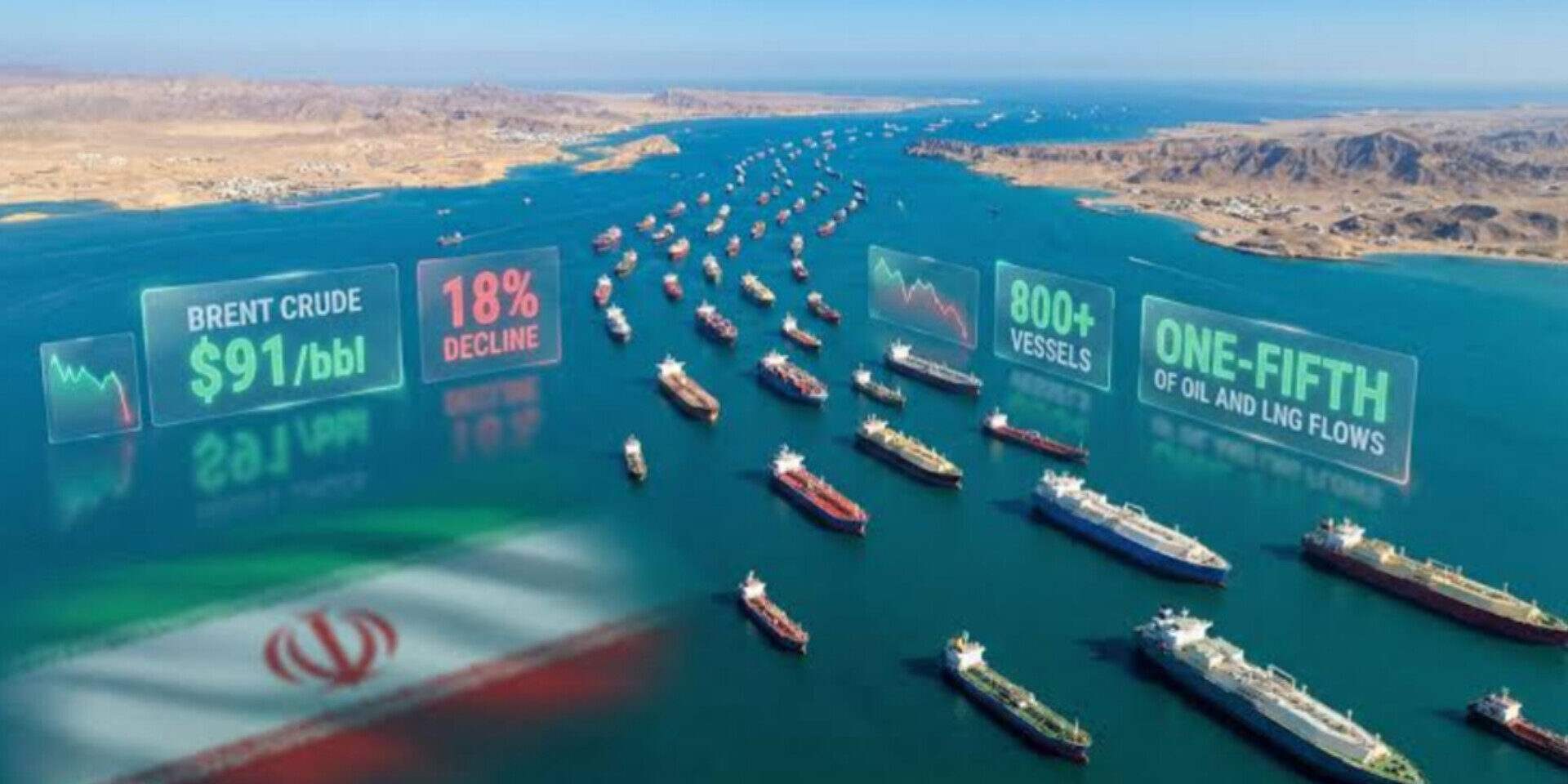
The Ramadan War is unfolding in a region where the Strait of Hormuz, as one of the most critical chokepoints for global energy and trade, holds unparalleled importance. Any shift in the balance of power and security in this region inevitably affects the legal regime governing navigation, transit, sanctions, and maritime military operations.
For this reason, the war may contribute to the emergence of a new regional and even global legal-security order. If the Islamic Republic of Iran succeeds in establishing sustainable deterrence against future aggression, this achievement will only be consolidated if accompanied by an appropriate “legal annex” or framework.
In more precise terms, military victory without the development of new legal rules that make aggression costly and deterrence legitimate and sustainable would be incomplete. Such rules could include:
- A new formulation of the concept of “aggression” reflecting hybrid warfare and transregional operations;
- Strengthening the legal status of strategic straits, including the Strait of Hormuz, with emphasis on the responsibilities of aggressor states;
- Designing regional mechanisms to pursue international responsibility and demand reparations;
- Expanding customary international humanitarian law concerning minimum standards in warfare, particularly the principle of distinction between military and civilian targets.
This project requires a genuine linkage between the “military field” and “legal diplomacy.” While the battlefield may alter power dynamics, translating these changes into stable legal norms depends on legal and political institutions. Iran’s historical weakness in this area, if continued in the post-Ramadan War period, could render military achievements temporary or ineffective.
Conclusion
At one level, the Ramadan War represents a clear violation of the peremptory norm prohibiting the use of force and another example of disregard by powerful states for fundamental principles of international law. At a deeper level, however, it is a discursive turning point in determining the future of the international order—one oscillating between two scenarios: the reaffirmation of the rule of law or a descent into a force-based system and the “law of the jungle.”
This article argues that addressing this challenge cannot rely solely on the existing capacities of international law. The experience of the Ramadan War has revealed conceptual, procedural, and institutional gaps that allow aggressors to violate peremptory norms at limited cost. Therefore, the “rewriting of international law” is not merely a political slogan but a legal and normative necessity.
This rewriting is also inseparable from active engagement by the legal community and the legal diplomacy of Iran and other independent states. Without critically addressing past passivity, moving beyond self-limiting discourse, and designing innovative mechanisms for accountability and reparations, the idea of a new legal order will remain an abstract ideal.
Ultimately, the Ramadan War and developments surrounding the Strait of Hormuz, while posing threats to the collapse of the existing legal order, also offer a historic opportunity to redefine international law and enable new actors to play an active role. Seizing this opportunity requires legal scholars, universities, and diplomatic institutions to abandon silence and actively participate in shaping the “legal framework” of the post-Ramadan War order—one capable of institutionalizing military deterrence within fair and sustainable legal norms and preventing the global system from descending into the law of the jungle.