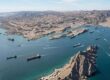


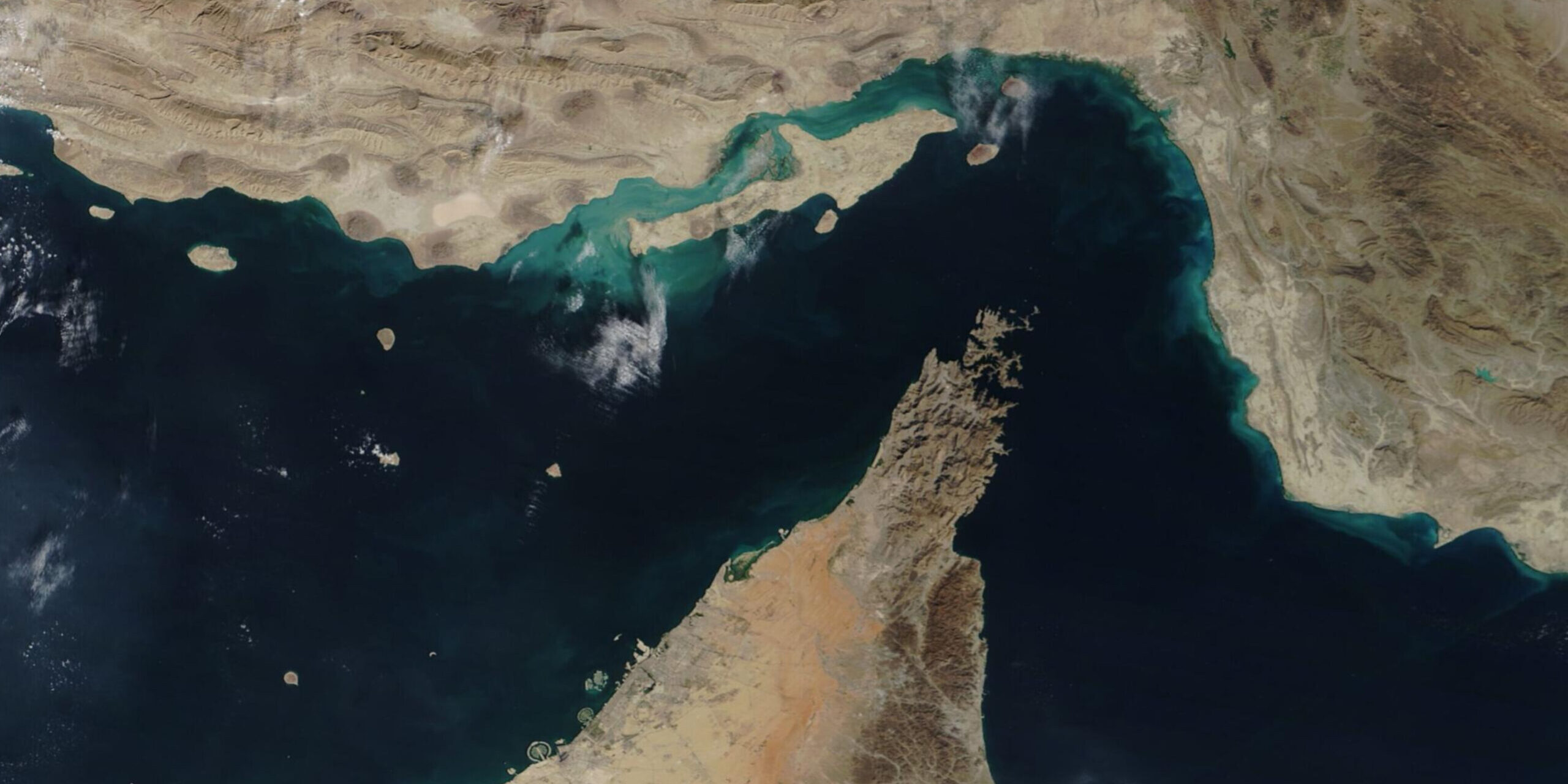
The Middle East, with a share of approximately 20% of global LNG supply (equivalent to 86 million tons per year, mainly by Qatar, along with some contributions from the UAE and Oman), plays a vital role in meeting the world’s demand for liquefied natural gas. The Strait of Hormuz, as a critical energy chokepoint, controls the daily transit of about 20% of the world’s total LNG. Its closure could completely halt the exports of Qatar and the UAE. Among all countries, India has the highest direct dependence, with 54% of its LNG imports coming from the Middle East (over 12 million tons per year). It is followed by China with 29% (about 20 million tons), Japan with 22% (about 14 million tons), and South Korea with 15% (about 7 million tons), all of which are highly vulnerable. Europe, despite its lower direct dependence (about 7% of LNG from the Middle East), is still severely affected by a crisis in the Middle East due to competition with Asia over alternative cargoes (from the US and Australia) and subsequent global price spikes. A closure of the Strait of Hormuz could raise LNG prices by 30 to 40 percent in the short term and disrupt the supply chain. In summary, India, China, Japan, and South Korea are the most vulnerable economies to disruptions in Middle Eastern LNG, and while the United States and Australia can partially replace this supply in the long term, no country can fully compensate for the short-term shortfall caused by a crisis in this strategically vital region.