

Abstract
In many prevailing analyses, the Ramadan War is interpreted merely as a political conflict or a geopolitical confrontation. While such readings capture part of the reality, they fail to explain the deeper layers of this event. This article seeks to analyze the Ramadan War from a philosophical and civilizational perspective. Within this framework, popular defense in this war is understood as a historical moment in which a kind of epic and existential relation to truth emerges—a relation that can be interpreted through the concept of the “Dionysian spirit” in the historical experience of the Eastern world.
The article further examines the relationship between elites and the people in confronting such events and addresses the problem of scientism in understanding social phenomena. Finally, by introducing the concept of “Iranian nihilism,” it shows how the Ramadan War can be seen as a threshold for breaking away from this historical condition and returning to a
living experience of meaning in collective life.
Keywords: Ramadan War, Iranian nihilism, Dionysian spirit, historical experience, collective truth
- Introduction
Major historical events are usually met with diverse interpretations. Many of these interpretations, due to their confinement within conventional analytical frameworks, are unable to grasp all dimensions of an event. The Ramadan War, too, is often understood merely as a political conflict or a geopolitical rivalry. Although these dimensions reflect part of the reality, such approaches fail to account for the deeper layers of the event.
To achieve a more comprehensive understanding, it is necessary to move beyond purely political analyses and examine such events within cultural, philosophical, and civilizational contexts. From this perspective, the Ramadan War can be seen as a historical moment in which society encounters a collective experience of defense, meaning, and truth. Such an experience cannot be fully understood through political calculations alone, but requires attention to the deeper structures of a society’s culture and history.
- The Ramadan War Beyond Reductionist Interpretations
In many political analyses, wars are primarily interpreted as power struggles or geopolitical conflicts. While this analytical framework is useful in explaining certain aspects, when it becomes the sole model of understanding, it reduces the meaning of historical events. This reduction is evident in interpretations of the Ramadan War.
Reducing this event to a political or military conflict limits the ability to understand the human and spiritual experience embedded within it. Some historical events—especially those involving widespread popular participation—carry layers of meaning that go beyond purely political analysis.
From this perspective, the Ramadan War can be seen as an event in which society encounters a collective experience of defense and meaning. Such an experience cannot be explained solely at the level of political calculation and requires a deeper النظر at the relationship between society and truth, as well as its foundational values.
- The Dionysian Spirit and the Historical Experience of Defense
To understand this deeper layer, one may draw on the concept of the “Dionysian spirit.” In philosophical tradition, this concept refers to a form of vital energy, existential vitality, and intuitive connection to truth. In such a state, human beings transcend the limits of purely instrumental rationality and encounter a deeper experience of meaning and truth.
In some philosophical interpretations of Eastern cultural history, this Dionysian spirit is considered a key component of the Eastern experience of the world. Within this framework, the relationship between human beings and truth is not defined solely through abstract concepts, but is also accompanied by an epic and existential experience.
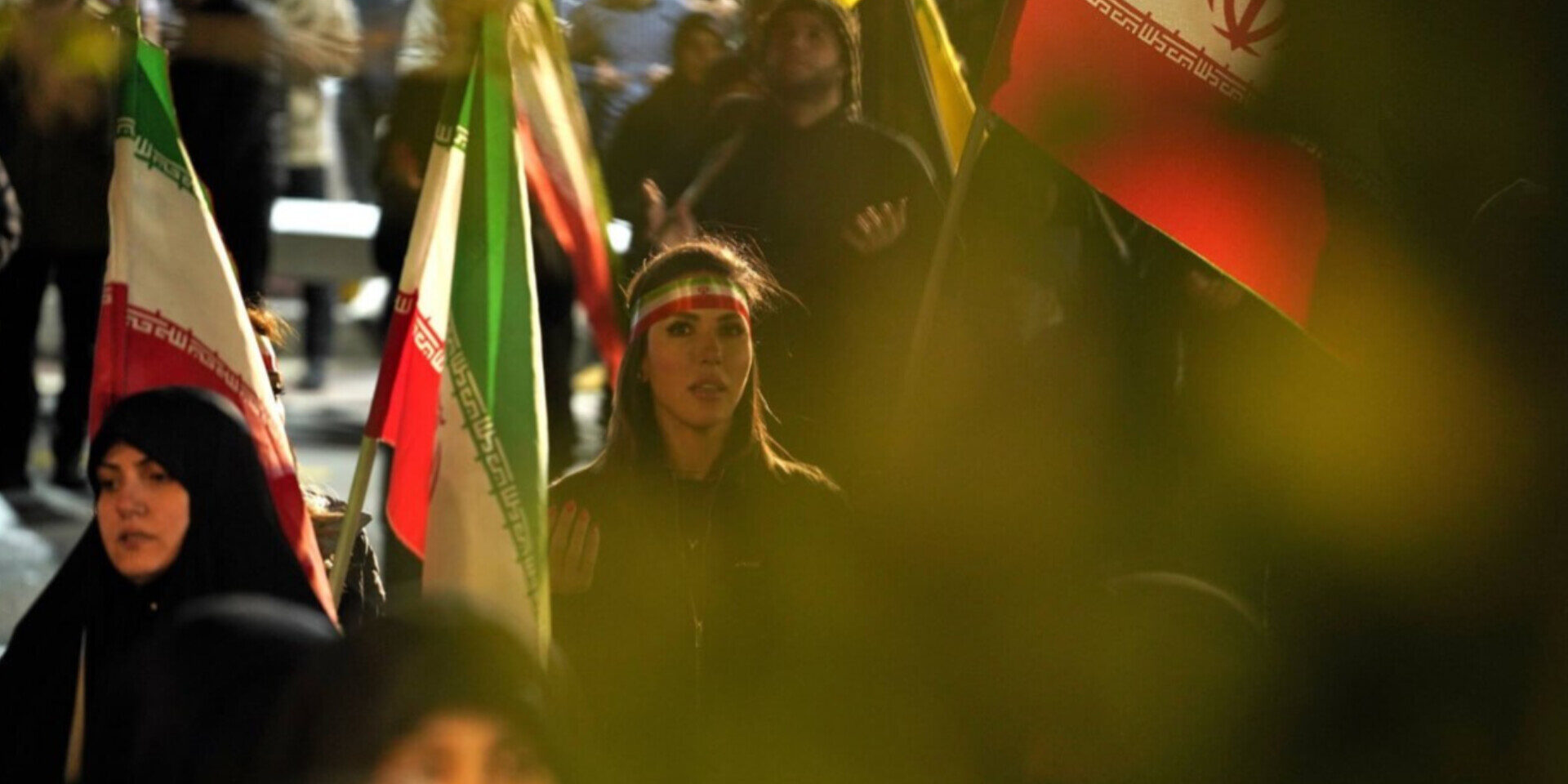
If the Ramadan War is examined within this horizon, it can be understood as a moment in which a form of collective, epic energy emerges within society. This energy is not merely the product of rational calculation, but arises from a deep sense of belonging to truth and the defense of it. From this perspective, popular defense in such events can be seen as a manifestation of a kind of Dionysian spirit in contemporary history.
- The Relationship Between Elites and the People and the Problem of Scientism
An important issue in analyzing historical events is the relationship between elite understanding and the lived experience of the people. Academic elites typically attempt to explain events through theories and conceptual frameworks. While this effort is necessary for the systematic understanding of social phenomena, when theoretical frameworks become the sole معيا ر of understanding reality, a form of scientism emerges.
Scientism is a condition in which concepts and theories, instead of serving as tools for understanding reality, become obstacles to it. In such circumstances, events rooted in the lived experience of the people may not be properly understood within purely theoretical frameworks.
In contrast, ordinary people often establish a direct and existential relationship with events. This relationship is formed within the context of everyday life and can therefore provide a different understanding of the truth of an event. In many cases, the lived experience of the people precedes the theoretical analyses of elites, and this can offer a deeper comprehension of the event.
- Iranian Nihilism and the Possibility of Historical Rupture
To understand the historical position of the Ramadan War, it can be examined in relation to the issue of nihilism. Nihilism refers to a condition in which the meaning and foundational values of collective life become destabilized, and shared horizons for understanding truth and the future are weakened.
In certain historical experiences, societies have faced a crisis of meaning that can be understood as a specific form of nihilism. In such a condition, past traditions weaken, while new patterns fail to establish a stable horizon of meaning. The result is a form of historical disorientation and a decline in confidence in the possibility of meaning in social life.
In such a context, some historical events may appear as moments of rupture—moments in which society re-establishes its relationship with truth and meaning. The Ramadan War can also be analyzed within this framework. Widespread popular participation and the collective experience of defense may indicate the revival of an active relationship with truth that stands in contrast to a nihilistic condition.
- Conclusion
The Ramadan War cannot be analyzed merely as a political or military event. Beyond its political and security dimensions, it also carries cultural, philosophical, and existential meanings. Understanding these deeper layers requires moving beyond reductionist analyses and paying attention to the historical and cultural contexts of society.
This article has attempted to examine the Ramadan War in relation to concepts such as the Dionysian spirit, the collective experience of truth, the relationship between elites and the people, and the problem of nihilism. Within this framework, the war can be seen as a historical moment in which the possibility emerges for breaking away from a nihilistic condition and returning to a living experience of meaning in collective life.
A deeper exploration of this issue requires broader research into the relationship between historical events, intellectual transformations within society, and the lived experiences of people—research that can move beyond purely political analysis and illuminate the meaning of historical events within the horizon of collective life.