

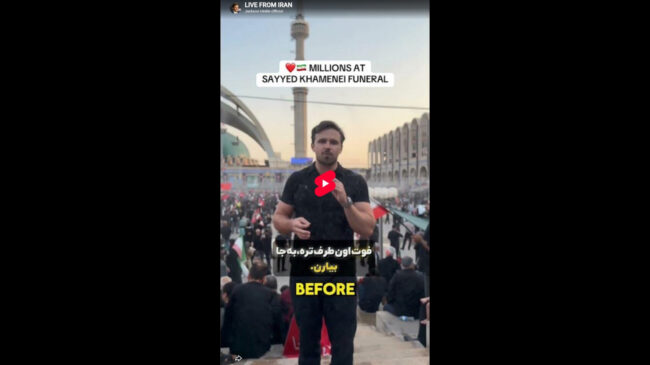
LIVE FROM IRAN
https://youtube.com/shorts/gqzPiBLOpL4?si=1RTAwYsFu_Jj9nt2

https://youtube.com/shorts/gqzPiBLOpL4?si=1RTAwYsFu_Jj9nt2
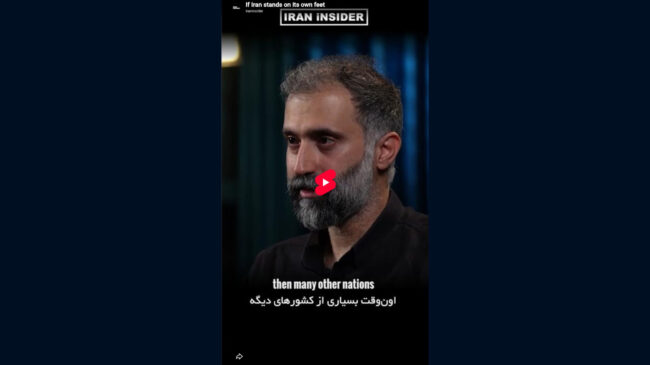
If Iran stands on its own feet and declares independence from global powers, the world order will change. Ayatollah Khamenei believed in this day and it is near
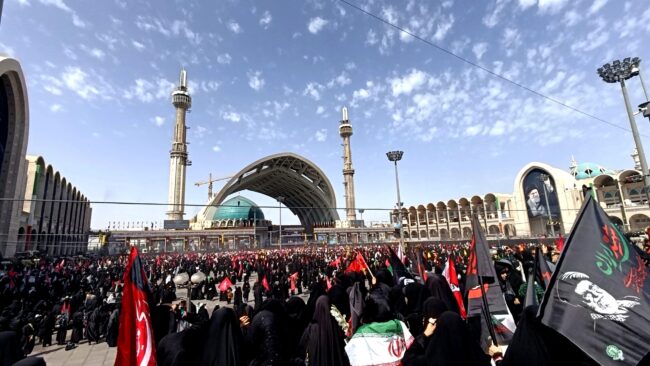
“In the name of Seyyed Ali, may this eternal path endure.” The funeral of the leader of the Islamic Republic of Iran is not merely the farewell of a political figure; it is the farewell to an ideology that, for more than three decades, shaped the equations of Iran and influenced a significant part of…
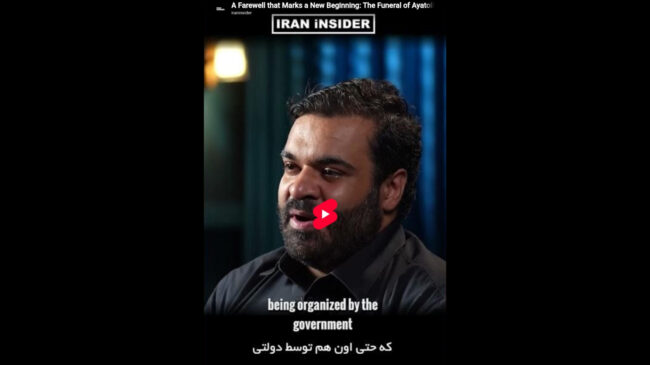
The funeral of Ayatollah Khamenei is not just a farewell, but the start of a new path and a great awakening. People will gather to show gratitude, voice their anger against the oppressors, and make their voices heard worldwide. This is the first time an Iranian leader’s body is taken to another country for burial,…
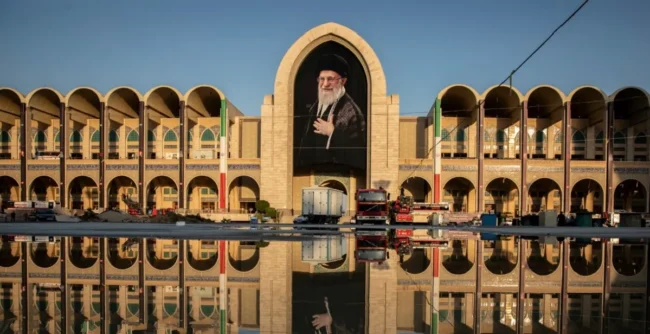
A Scholarly Reflection on Leadership, Independence, and Civilizational Vision I spent nearly a decade of my academic life studying and conducting research in the West before returning to Iran to teach. That dual exposure has given me a comparative lens that I believe is worth sharing with an international audience. What follows is not an…
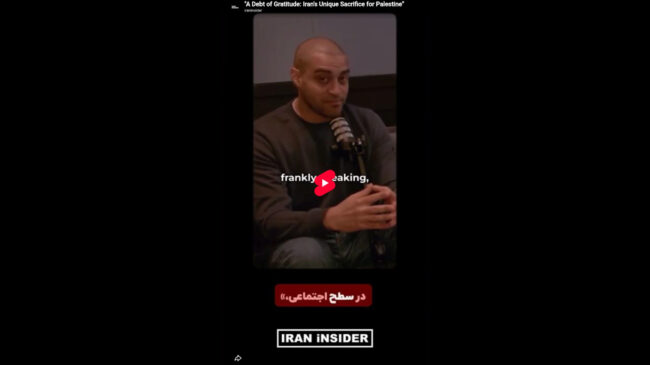
In this video, British-Iraqi rapper and political activist Lowkey (Kareem Dennis) highlights Iran’s unique and unmatched material support for Palestine over the decades – and questions the lack of gratitude it has received.

Scientific advancement is the foundation upon which nations build their strength and resilience, and this principle has been a central theme in the teachings of Ayatollah Seyyed Ali Khamenei. He consistently emphasized that elites must guide the nation toward profound scientific progress, for a country can only remain resistant and strong when knowledge and science…
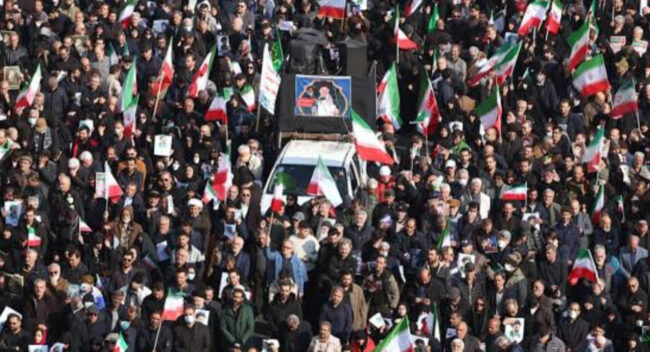
The funeral of Ayatollah Khamenei will take place in a few days, and I am sure it will be widely broadcast. In Iranian and Islamic culture, funeral ceremonies have always held deep emotional and spiritual significance. Saying farewell to a relative who has passed away due to illness is one thing; but when a leader…

https://youtube.com/shorts/-RF7YNOftok?is=izXwYjbBCKIBu-be
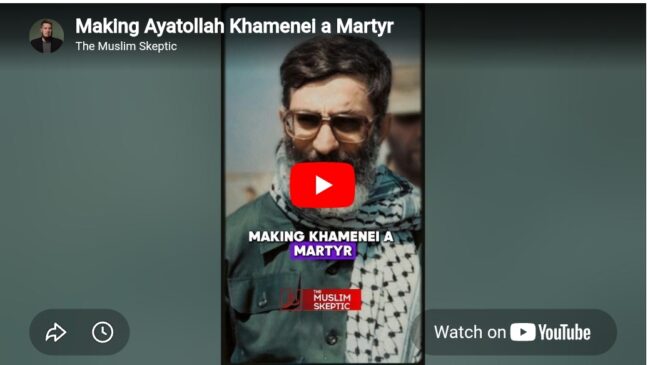
https://youtu.be/hVbnDgVxY-I?si=O3oSZF2_UvLvl2f