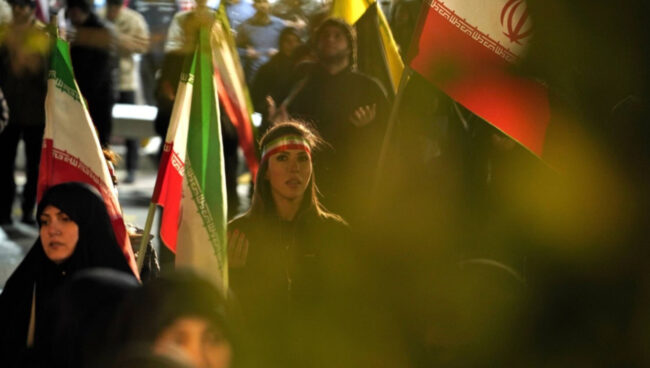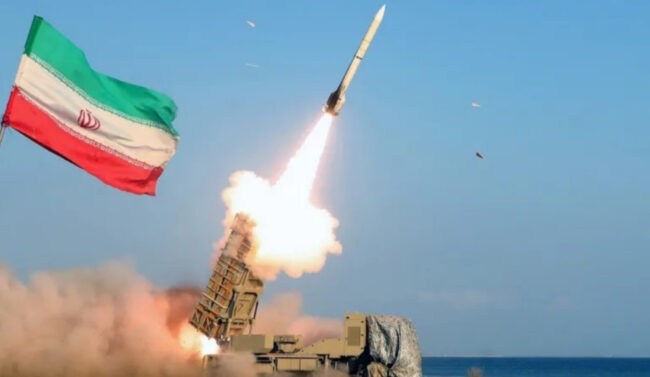
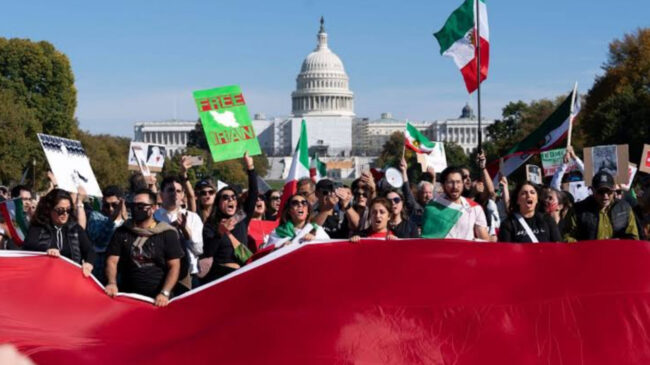
The Market of Violence and the Accounting of Deception: A Paradoxical Analysis of the Immigrant Opposition Lobby in Reducing the Final Cost of War for Aggressors and Undermining the Strategic Credibility of the United States

To truly understand the impact of those Iranian emigrants who, on the eve of major tensions, solicited international media to attack their own homeland, it is necessary to go beyond the simplistic, naive dichotomy of the “primary actor” versus the “ineffective actor.” International relations theory and decision-making documents from Washington and Tel Aviv demonstrate that…
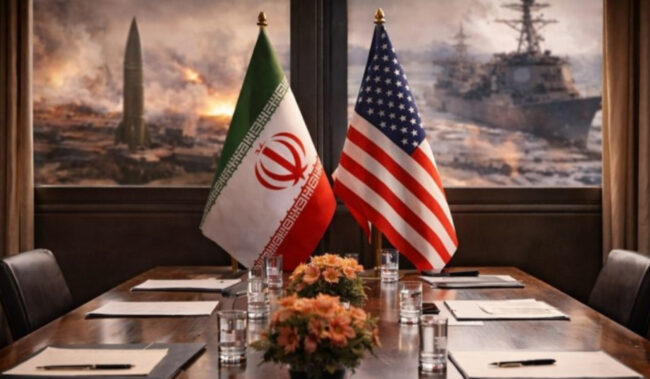

Diplomacy in the Context of Great Power Competition: A Strategic Assessment of Iran–United States Negotiations and the Necessity of Geopolitical Balancing

Abstract  Recent developments in Iran–United States negotiations are unfolding at a time when West Asia has become a focal point of geopolitical competition among major powers. Given this complexity, nuclear negotiations can no longer be viewed merely as a bilateral matter; they must instead be analyzed within the broader framework of strategic rivalry among global…

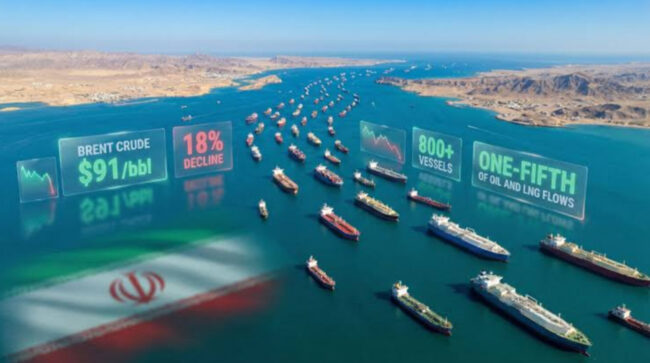
The Oil Market Breaking Point

In this special editorial feature, we provide an executive summary of a critical analysis by HFI Research. This briefing explores the catastrophic implications of the current Strait of Hormuz closure, highlighting why this geopolitical choke point has become the ultimate “breaking point” for the global economy. Institutional Brief: Who is HFI Research? HFI Research is…

The Ramadan War and the Question of Iranian Nihilism: Reflections on the Emergence of the Dionysian Spirit in Iran’s Historical Experience

Abstract In many prevailing analyses, the Ramadan War is interpreted merely as a political conflict or a geopolitical confrontation. While such readings capture part of the reality, they fail to explain the deeper layers of this event. This article seeks to analyze the Ramadan War from a philosophical and civilizational perspective. Within this framework, popular…

The Necessity of Rewriting International Law in Light of the Ramadan War and Developments in the Strait of Hormuz

Abstract The Ramadan War, as an international armed conflict between a coalition of the United States and the Israeli regime against the Islamic Republic of Iran, constitutes an unprecedented test for the post–World War II international legal order. This war is not only a clear violation of the peremptory norm prohibiting the use of force,…

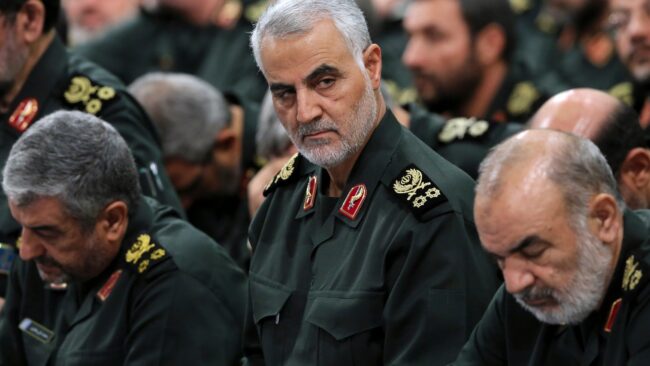
The Nexus:Qasem Soleimani, Resistance Axis and the current US-Isreal war on Iran:

Qasem Soleimani, the former General of Iran’s Quds Force, is widely regarded as the master strategist who reshaped the geopolitical landscape of West Asia through a unique blend of military coordination, ideological cultivation, and strategic diplomacy. He engineered a network known as “Axis of Resistance” that stretched from Iran to the Mediterranean, fundamentally challenging American…

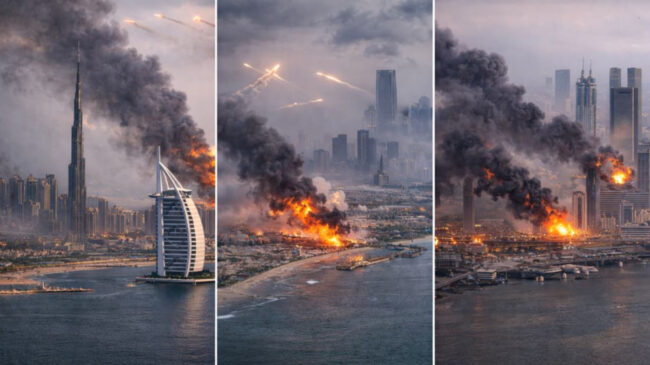
The Ramadan War and the Reconfiguration of Regional and Global Order: Reflections on Geopolitical Developments and Future Scenarios

AbstractRecent security developments in the Middle East indicate that some conflicts go beyond limited military confrontations and emerge as structurally transformative events in the regional system and even the global order. The Ramadan War can be analyzed within this framework—an event that has not only altered deterrence equations in the region but also revealed signs…